


About Us
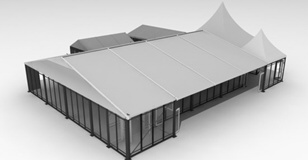
We have dealt with many manufacturers in Australia, China, and Europe and can pinpoint the best option for your needs. We will help you find the supplier that offers the best balance of value and dependability for your specific requirements.

Installation includes preparing the ground for the structure's erection. Splash uses our own installation teams, with an experienced supervisor on hand for all installs, even if via online hookup, to help your team or ours carry out a safe install.
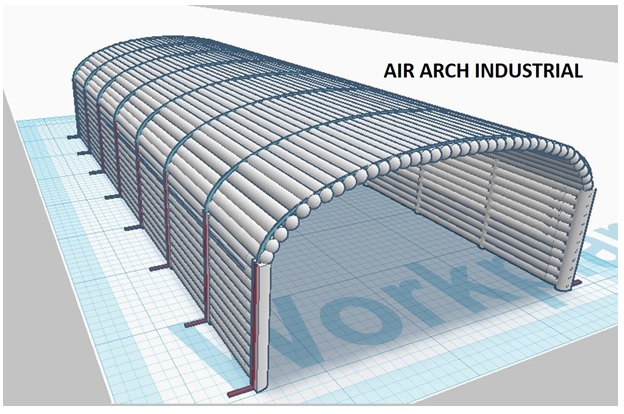
Arch Shelter structures must comply with the Aust NZ building codes. Buildings are confirmed to have sound design prior to manufacture, and then be signed off again by Engineers on site at the end of each installation, to activate Warranty.
The Question of Recycling
In our near past 30 years of marketing fabric structures, we had stated that the covers we supplied were recyclable, but until 2023, we had never checked what actually happened to them at the end of their life.
Although these covers should technically have been returned to the factories for remanufacturing, we had never collected one ourselves. In fact, we did not even know of any organization capable of handling the recycling of fabric structure covers at the time.
Then we posed the question of what really happens to the PVC Covers at the end of their life, because they can still be grossly toxic monsters. We discovered that most are moved to landfills, left to rot for 10,000 years, breaking down into microplastics, or burned, polluting the present day environment with more toxins.
Rather than being a doomsday for fabric structures, it actually served as a wake-up call. This realization prompted us to consider how we could start managing plastics, PVC, and fiberglass fabrics more responsibly.
Building on this, we found that certain polyethylene (PE), if manufactured correctly, are fully recyclable and can even be melted down into their original oil form for new use. However, the challenge remains that someone must take responsibility for collecting all recyclable plastic at the end of its life and ensuring it reaches the proper recycling facilities. If steel can be recycled effectively, why can’t plastic?
By contrast, PVC is produced through mostly toxic chemical processes, whether to make it tough like concrete or a flexible, spray-toughening treatment for canvas and other synthetic fibers. This makes it concerning to think of everyday items—such as kids' jumpy castles—that eventually break down into microplastic mush while exposed to the sun.
We do know that major fabric producers (who care about the environment and our health) are now addressing this issue by offering non-toxic solutions and recycling hubs.
In line with these initiatives, we have now pledged to take back covers at the end of their life, unless the owner chooses to pass them on to another recycling organization.
Who is responsible? - We all are.
 Arch Shelter Services
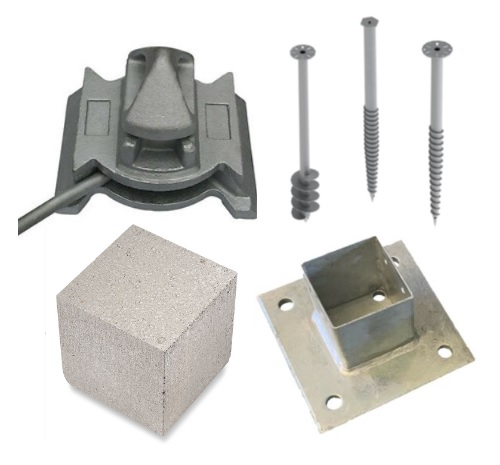
Arch Shelter services include advice and support for installations that will best suit and perform on your environment on your site. We will guide you on the best roof shape, footings, wind ratings, and ballast for your structure.
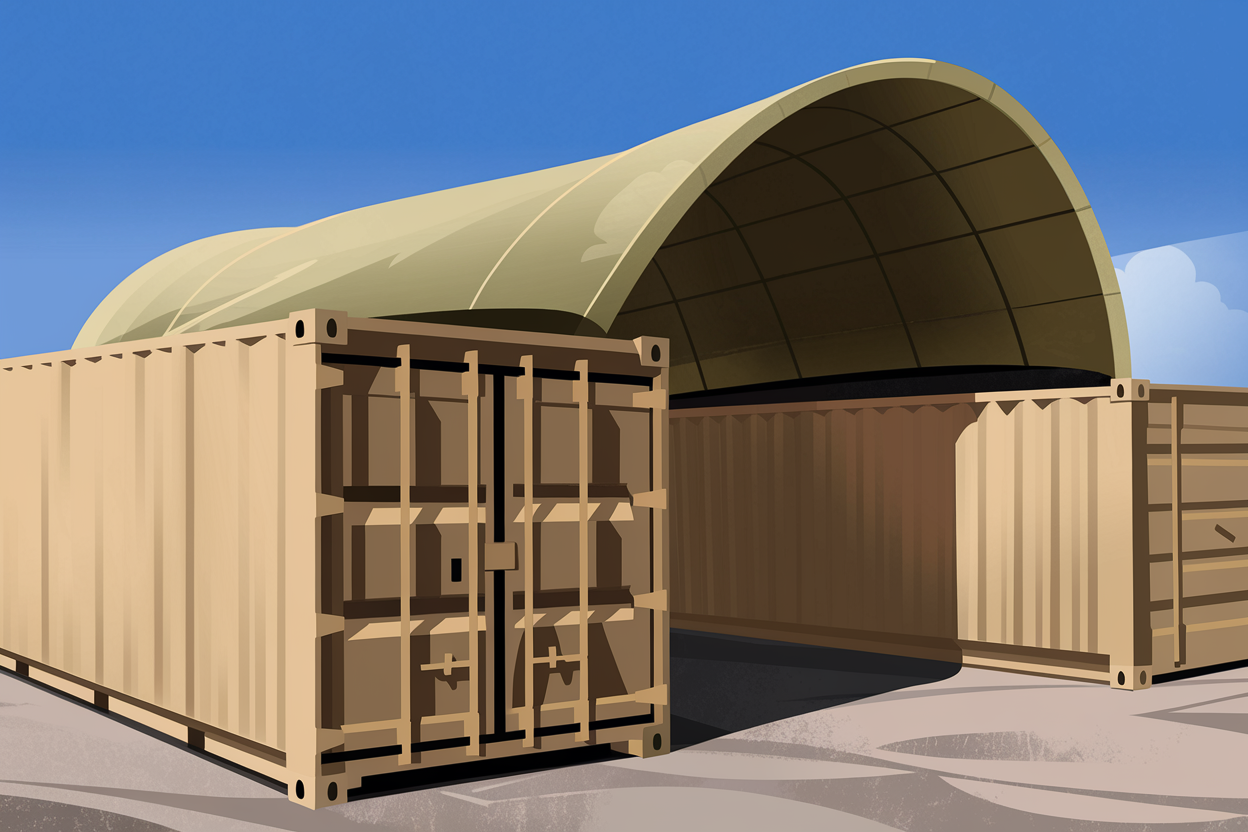
Arch Shelter and Air Arches. A gradually increasing range of non-toxic fabric structures and inflatable buildings designed for storage, work, living, and shade, for most industries, events and entertainment.
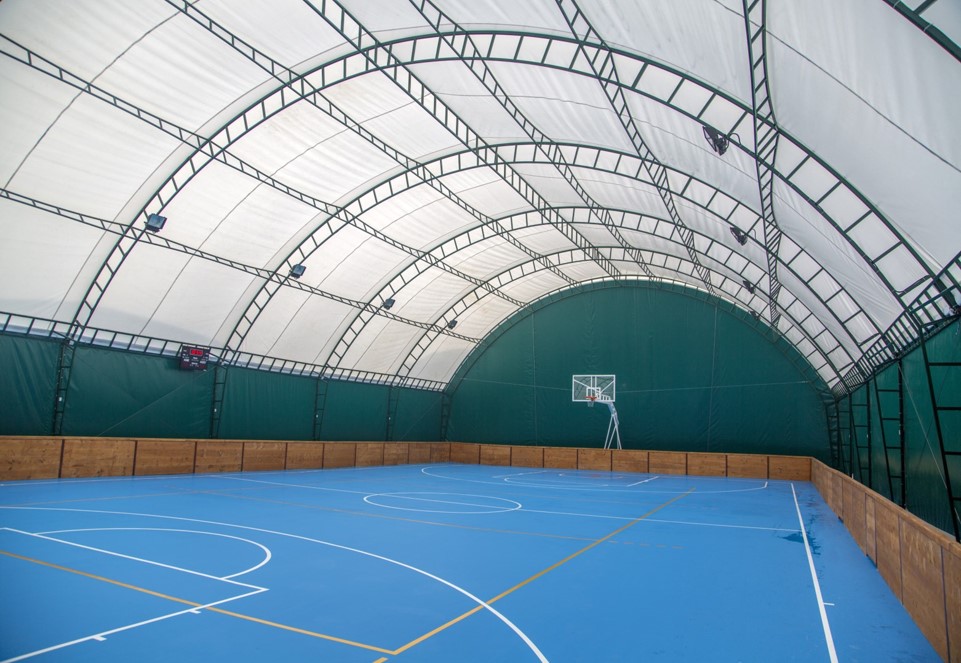
Arch Shelters include local or imported steel and/or aluminum clear-span or double-truss frame design. They come in a variety of roof shapes (Dome, Hull, Gable, etc.) ranging 5 to 100 meters wide.
Teams are trained, ticketed and equipped for safe operations on all installations, including working at heights and with specialised equipment. Mandatory body, head, foot protection.